What to Do If You’re Locked Out of Your Vehicle
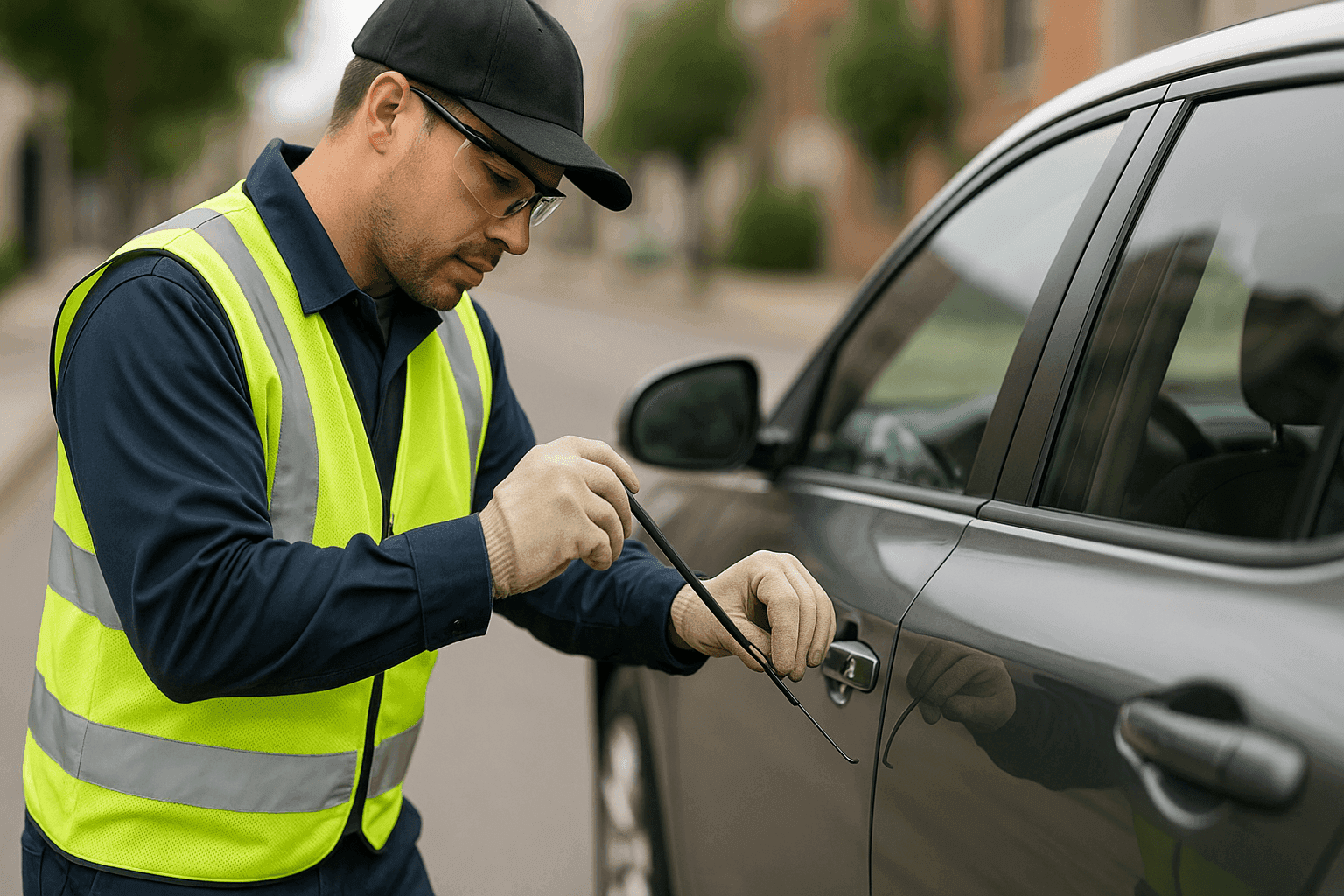
Have you ever heard that quiet click, shut your door, and then—like a thunderclap—realized your keys are still inside? You’re not alone. From busy mornings to late-night errands, everyone faces this frustrating moment at some point. Rival Towing understands how stressful and inconvenient a lockout can be, whether you drive a small sedan, a heavy-duty truck, or manage a whole fleet.
Panic doesn’t help. But a few smart moves can make all the difference. Here’s what you need to know—fast, safely, and with confidence.
Initial Safety Checks 🚦
Before trying to solve the problem, pause. Your safety comes first. Every situation is different, especially if you’re locked out somewhere unfamiliar, alone, or in extreme weather.
Run through this checklist:
- Are you in a safe spot, away from moving traffic?
- Is your vehicle running? (If so, carbon monoxide risk applies—move to fresh air, especially in enclosed spaces.)
- Is there a child, pet, or vulnerable person inside? If so, call emergency services immediately. In many regions, law enforcement is authorized to intervene for safety.
- Are you visible to passing drivers? Turn on your hazard lights if you can safely reach them.
- For commercial vehicles: Secure any sensitive cargo and follow your company’s incident protocol.
It’s easy to feel embarrassed, but remember—accidents happen to everyone, including professional drivers.
DIY Solutions and Risks
You may have heard stories about using a shoelace or coat hanger to unlock a car. Some even try prying open a door or window with makeshift tools. These hacks float around the internet like urban legends. But are they safe—or even legal?
DIY Methods: Pros and Cons
- Slim Jims, Wire Hangers, and Shoelaces: Modern vehicles have advanced locking systems. These tricks rarely work and can trigger airbags, damage wiring, or scratch paint.
- Trying to Pry Open a Door: Risks bending the frame, breaking glass, or damaging weather seals.
- Remote Unlock Apps: Some newer vehicles allow remote unlocking through a manufacturer’s app—if you’ve pre-registered.
Risks Include:
- Voiding your vehicle warranty.
- Causing hundreds or thousands in damage.
- Accidental airbag deployment (a real safety hazard).
- Legal issues if the vehicle isn’t yours, or you can’t prove ownership.
Pro tip: If the key is in view and you’re in a public place, avoid drawing attention with “break-in” attempts. It can look suspicious and attract law enforcement for the wrong reasons.
When to Call a Pro
Sometimes, the simplest solution is the safest. Modern towing_services are equipped for non-destructive entry, trained to handle everything from family sedans to commercial vehicles and specialty transport.
Call a professional if:
- You’re locked out with no spare key accessible.
- DIY attempts have failed or feel risky.
- Weather, location, or time of day adds extra urgency (extreme heat, cold, or late at night).
- Your vehicle has electronic locks, key fobs, or complex security systems.
- There’s a child, pet, or health emergency.
Rival Towing’s team uses specialized tools—think of it as a locksmith’s toolkit for vehicles. Our approach prioritizes your vehicle’s integrity, whether it’s a motorcycle, RV, or commercial truck.
What Pros Do On Arrival
A towing_services technician arrives with training, experience, and the right gear for the job. Here’s what to expect:
- Identity Verification: You’ll be asked for proof that the vehicle is yours (registration, ID).
- Non-Destructive Entry: We use industry-approved tools designed for your vehicle’s make and model—no prying, bending, or breaking.
- Legal Compliance: Following state and local guidelines, we ensure everything is above board. (Reference: National Insurance Crime Bureau and local DMV guidelines.)
- Fast Action: For emergencies—like a child or pet inside—immediate entry is the priority.
If damage is unavoidable (rare, but possible with some older locks), we’ll document everything for your insurance or vehicle records.
Preventing Future Lockouts 🔑
Lockouts are stressful. But you can reduce the odds with a few habits and tools:
- Spare Key: Keep a spare at home, with a trusted friend, or in a hidden magnetic lockbox.
- Digital Solutions: Register your vehicle with manufacturer’s remote services if available.
- Routine Check: Make it a habit to check for your keys before shutting any door.
- Key Chains and Tech: Use a Bluetooth tracker like a Tile or AirTag. These can help you find lost keys before you’re locked out.
- Fleet Vehicles: Set up a key management system and train staff on lockout prevention.
A little prevention saves a lot of time and frustration later.
Costs & Time Factors
“How much will this cost?” and “How long will it take?” are the first questions on most people’s minds.
- Time: Most professional unlocks take between 10–30 minutes once help arrives. Traffic, distance, and vehicle type can influence this.
- Cost: Prices vary based on your vehicle, lock type, time of day (after-hours may cost more), and location. Complex locks or specialty vehicles might require more advanced tools.
Check with your insurance or roadside assistance plan—some cover lockouts, others reimburse for towing_services.
When It’s an Emergency
Some lockouts are more than a hassle—they’re a true emergency. Here’s when to dial 911 or local emergency services:
- A child, pet, or vulnerable person is trapped inside.
- The vehicle is running in a dangerous location (e.g., enclosed garage, hot parking lot).
- You feel unsafe due to surroundings, weather, or other risks.
Remember: In emergencies, first responders can legally enter your vehicle. Your safety—and theirs—comes first.
Frequently Asked Questions
Will unlocking my car damage it?
Not when handled by trained professionals. Rival Towing uses non-destructive entry methods. Most modern vehicles are unlocked without a scratch.
Can I get back in if my keys are locked in my trunk?
Yes. Most trunks can be accessed by unlocking the main cabin. If not, a professional can often open the trunk directly, depending on your make and model.
What if my car uses a key fob or push-to-start?
We can assist with electronic locks and push-to-start systems. If your fob battery is dead, a pro can still help you get inside.
What paperwork do I need?
Proof of ownership (registration, insurance, or ID) is required. This protects against unauthorized access.
Local & Seasonal Considerations 🌧️
Lockouts happen everywhere—but your location and the season can raise the stakes.
- Winter: Risk of hypothermia, frozen locks, and icy roads.
- Summer: Heatstroke danger for anyone (especially kids or pets) left inside.
- Remote Areas: Less foot traffic means it’s safer to stay near your vehicle while you wait for towing_services.
- Urban Downtown: Follow local parking rules and stay aware of your surroundings.
Local law enforcement or parking officials may also have specific rules—especially for commercial vehicles or private property towing.
A vehicle lockout doesn’t have to ruin your day. Rival Towing is ready with fast, safe, and legal help—no panic, no damage, just the right solution for you.
Call Rival Towing now — or reach us anytime at 844-484-6840 .