Emergency Roadside Assistance: What Qualifies and How to Respond
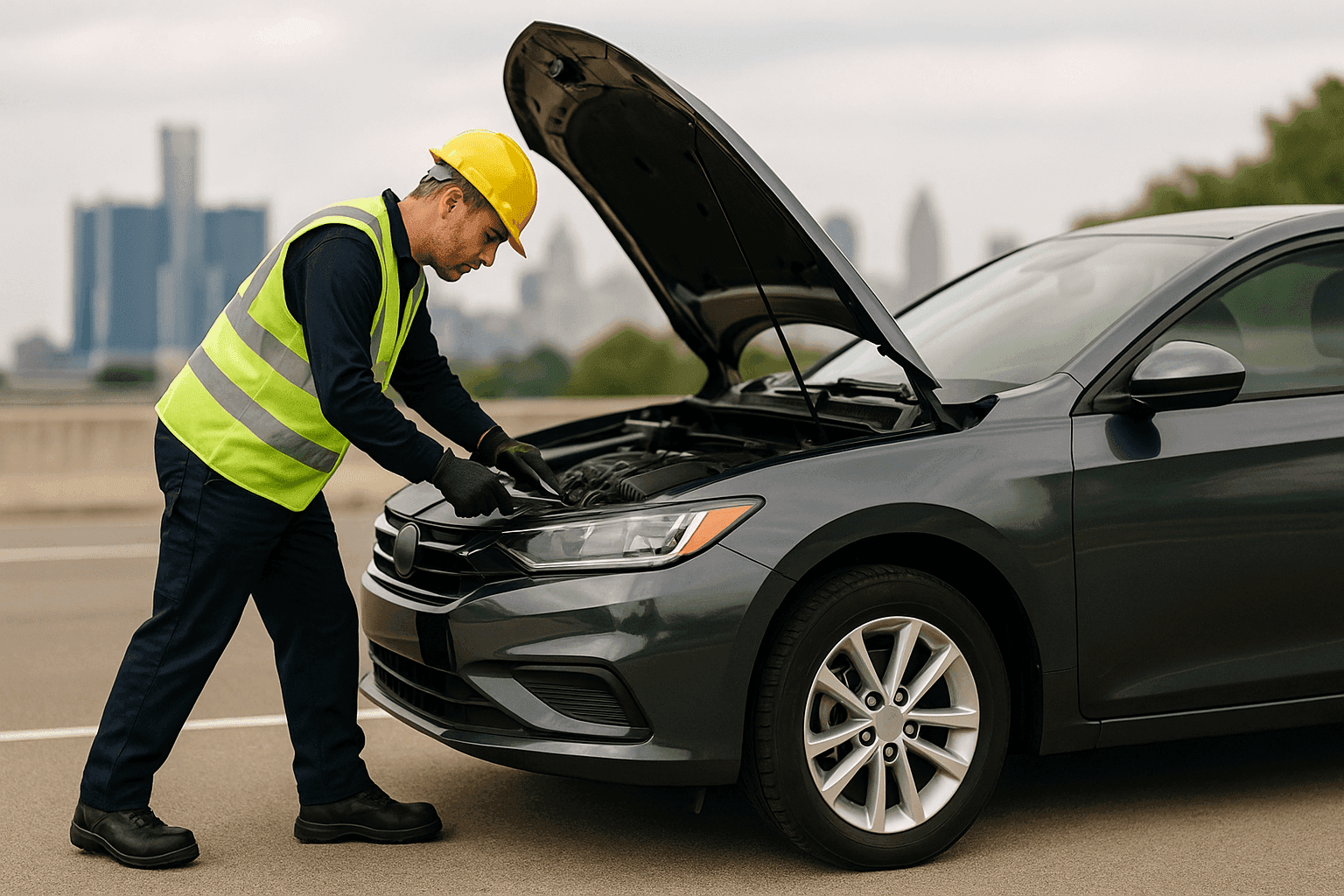
When your car sputters to a halt or a tire goes flat in the dark, panic can creep in fast. Whether you’re a parent taking the kids to school or a fleet manager keeping deliveries on schedule, vehicle trouble never comes at a convenient moment. Rival Towing understands the urgency. We help stranded drivers—residential and commercial—get back on the road, no matter the hour.
But what actually counts as a roadside emergency? When should you call for professional towing_services, and what should you expect when help arrives? Let’s break it down so you’re prepared for anything the road throws at you.
Types of Emergencies 🚨
Car trouble isn’t one-size-fits-all. Some problems can be fixed with a bit of elbow grease, while others demand urgent, professional help. Here are the most common situations that call for roadside assistance:
- Breakdowns: Engine failure, transmission issues, or overheating. If your car won’t move or starts making new, alarming noises, it’s time to call.
- Flat Tires: Blowouts or slow leaks. If you don’t have a spare or can’t safely change the tire, don’t risk it.
- Lockouts: Keys locked inside or lost altogether. Breaking a window might sound like a quick fix, but it usually makes things much worse.
- Dead Batteries: No lights, no start—especially in extreme cold or heat. Jump starts are quick, but can be risky if done wrong.
- Out of Fuel: Running dry happens more than you’d think. Walking to a gas station can be dangerous, especially on busy highways.
- Accidents: Fender-benders or major collisions. Immediate towing or recovery may be needed, along with accident documentation for insurance.
- Stuck Vehicles: Off-road mishaps, mud, snow, or a ditch. Winching or recovery is safer with pros.
- Mechanical Failures: Brakes, steering, or suspension issues. If the car isn’t safe, don’t drive it.
- Specialty Towing: Motorcycles, boats, RVs, trailers, and commercial vehicles often require flatbed or specialized equipment.
- Roadside Hazards: Debris cleanup, accident scene management, or traffic control—especially important for commercial fleets.
If you’re unsure, err on the side of caution. The safety of you, your passengers, and others on the road is always the top priority.
DIY vs Professional Help
It’s tempting to try fixing things yourself. Sometimes, that’s fine—sometimes it’s not.
DIY Might Work If:
- You have a flat tire, a safe location, and the right tools.
- You know how to jump a battery and have jumper cables.
- The issue is minor (like being slightly low on fuel) and you’re near a service station.
Call Rival Towing If:
- You’re on a busy road or highway with limited shoulder space.
- The weather is severe (heavy rain, snow, or extreme heat).
- You have limited mobility, or are traveling with children, pets, or elderly passengers.
- You’re dealing with a commercial vehicle or specialty equipment.
- You’re not certain of the problem—or the fix.
For commercial drivers and fleet managers: Company policy and insurance requirements often demand professional intervention. The U.S. Department of Transportation (DOT) and many insurers specify that only qualified personnel should perform roadside repairs or vehicle recovery, especially on public roads.
Safety First Steps ✅
Before anything else, think safety. Here’s a quick mental checklist to keep you and your passengers out of harm’s way:
- Pull Over Safely: Move as far from traffic as possible. If you can’t, stay buckled and turn on your hazard lights.
- Stay Visible: Hazards lights, reflective triangles, and a raised hood signal distress.
- Stay Inside: Unless you’re sure it’s safe, wait inside your vehicle—especially on highways or at night.
- Call for Help: Contact Rival Towing or emergency services. Share your exact location (use a map app if unsure).
- Prepare Info: Have your registration, insurance, and a description of the problem ready.
- Monitor the Scene: Keep an eye out for oncoming traffic, especially if you must exit the vehicle.
Commercial drivers: Always follow your company’s safety protocols and report the incident per fleet policy. For accident scenes, OSHA and DOT guidelines recommend setting up cones or flares to warn other drivers.
What Happens Next
You’ve called for help. Now what?
When Rival Towing arrives, here’s what to expect:
- Assessment: Our towing_services technician will inspect the situation, confirm your safety, and outline next steps.
- Documentation: We assist with accident documentation, photographs, and insurance paperwork if needed.
- Roadside Fix or Tow: If it’s safe to repair on the spot (jump start, tire change, minor issues), we’ll get you moving. If not, we’ll transport your vehicle—flatbed, medium- or heavy-duty towing, as needed.
- Specialty Needs: For motorcycles, RVs, trailers, or commercial vehicles, we always bring the right equipment.
- Further Assistance: Need help with insurance claims or arranging vehicle storage? We handle that, too.
Our team follows industry-standard protocols, including the National Highway Traffic Safety Administration (NHTSA) and Towing and Recovery Association of America (TRAA) guidelines, to ensure every step is by-the-book.
Tips for Commercial Drivers & Fleet Managers
- Create a Roadside Emergency Protocol: Ensure drivers know who to call and what info to provide.
- Keep Emergency Kits Stocked: Flares, triangles, first aid, and basic tools.
- Maintain Vehicle Logs: Up-to-date maintenance records help with insurance claims and routine inspections.
- Prioritize Safety Training: Annual refreshers on roadside safety go a long way.
- Use Fleet Management Software: Track incidents, tow requests, and maintenance needs efficiently.
Insurers often require detailed incident documentation for claims. Rival Towing can assist with accident scene management and paperwork, making the process smoother for your business.
Boundaries of Roadside Assistance
Not every problem can be solved on the roadside. Here’s where towing_services draw the line:
- Major Mechanical Failures: If the issue is internal (engine, transmission), repairs need a shop.
- Severe Collision Damage: When the vehicle isn’t drivable or is a hazard on the road.
- Hazmat Situations: Fuel or chemical spills require specialized cleanup.
- Uninsured/Unauthorized Vehicles: Legal restrictions may apply for impounded or unregistered vehicles.
If the situation is unclear, our dispatcher will help you decide the safest, most efficient course of action.
Prevention & Maintenance
The best emergency is the one that never happens. A few habits go a long way:
- Regular Inspections: Check tires, brakes, fluids, and lights before trips.
- Keep Fuel Above a Quarter Tank: Prevents unexpected stalls.
- Test the Battery Seasonally: Especially before winter or summer extremes.
- Listen for Odd Noises: They’re your car’s way of asking for attention.
- Stay Informed: Weather alerts and route planning reduce risks.
For fleets: Schedule preventative maintenance according to manufacturer recommendations. Many insurance providers offer incentives for strong safety records.
Cost & Time Factors
No one wants surprises when it comes to the bill or wait times. Here’s what you can expect:
-
Cost Depends On:
- Type of service (jump start, tow, winch-out, accident recovery, etc.)
- Vehicle type (compact car, motorcycle, commercial truck, RV)
- Service time (after-hours, weekends, holidays may cost more)
- Distance to destination
-
Time Factors:
- Location (urban vs. rural, highway shoulder vs. parking lot)
- Weather and traffic conditions
- Severity of the issue
At Rival Towing, we’re up front about what you’ll need and how long it’ll take. No hidden surprises—just clear communication.
When It’s an Emergency
How do you know it’s time to call for emergency roadside assistance rather than waiting it out?
- Safety at Risk: If you or others are in danger—traffic, weather, or an unsafe location—call immediately.
- Vehicle Inoperable: If your vehicle won’t start, move, or has lost a critical function (brakes, steering).
- Accident or Injury: Always call for help after a crash, even if damage seems minor.
- Obstructing Traffic: If your vehicle is blocking a lane, exit, or intersection.
Don’t gamble with safety. If in doubt, reach out.
FAQ
Can I call roadside assistance if I’m not the vehicle’s owner?
Yes, but you’ll need to provide proof of permission or registration, especially for commercial vehicles.
Will insurance cover my towing_services?
Many policies include roadside assistance, but coverage varies. Check your policy or ask us about documentation.
How do I prepare for a tow?
Gather your personal items, lock valuables, and have your registration and insurance ready.
Is roadside assistance available for motorcycles, RVs, or boats?
Absolutely. Rival Towing provides specialty vehicle towing and transport near you, with the right equipment for every job.
Local and Seasonal Considerations 🌦️
Bad weather, busy holidays, and local regulations can impact both the urgency and approach to roadside assistance. During winter, ice and snow increase the risk of breakdowns and accidents. Summer heat can lead to battery failure and tire blowouts. In some areas, parking restrictions or impound laws are stricter—know your local rules or ask our dispatcher if you’re unsure.
Commercial fleets: Plan for peak seasons and local events. Schedule checkups before long hauls and keep emergency contacts updated.
When trouble strikes, quick thinking and the right help make all the difference. Rival Towing is ready around the clock for everything from flat tires to complex accident recovery—serving individuals, families, and businesses alike.
Call Rival Towing now — or reach us anytime at 844-484-6840 .