How to Choose the Right Towing Service for Any Vehicle
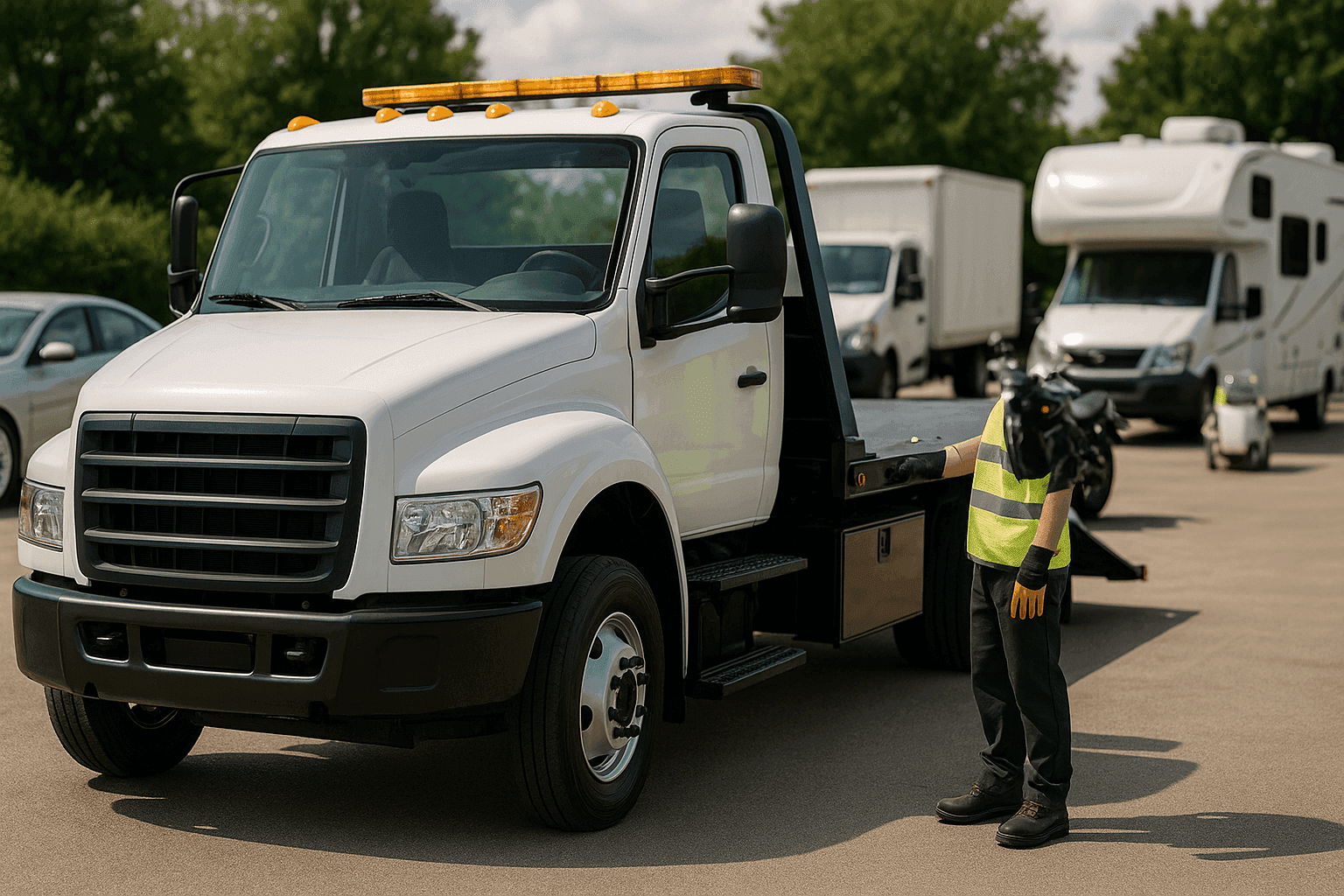
Stuck on the side of the road? Wondering which towing_services can handle your vehicle, or if your precious ride will be safe? You're not alone. When trouble strikes—flat tire, breakdown, fender bender—making the wrong call can cost you more than a headache.
At Rival Towing, we get it. Whether your car is your daily commuter, a company truck, an RV, or your pride-and-joy motorcycle, choosing the right towing solution makes all the difference. Let’s break it down together.
Vehicle Assessment: What Are You Moving? 🚗
First up: know your vehicle. Is it a compact sedan, a heavy-duty truck, a motorcycle, or something unique like a vintage car or boat? Each has its own quirks. Think of it like picking the right shoes for a hike—you wouldn’t wear flip-flops on a mountain trail.
Ask yourself:
- How heavy is the vehicle? (Check your manual or the door sticker)
- Does it have low ground clearance?
- Are there modifications (lift kits, lowered suspension, etc.)?
- Is it all-wheel or rear-wheel drive?
- Is it stuck or off-road, or simply won’t start?
These details help you match your ride to the proper towing_services and prevent damage during recovery or transport.
Towing Methods Explained
Flatbed Towing
Flatbed trucks are the all-terrain boots of towing. Your vehicle rides entirely on the truck bed—wheels off the ground, safe from potholes and drags.
Best for:
- All-wheel and 4WD vehicles
- Luxury, vintage, or specialty cars
- Motorcycles and powersports vehicles
- Vehicles with missing/damaged wheels
- Accident recovery
Wheel-Lift Towing
Think of wheel-lift as the sturdy, everyday sneakers. A metal yoke lifts two wheels (front or rear), while the other two roll on the ground.
Best for:
- Short distances
- Tight city streets or parking garages
- Standard cars, light trucks
Not ideal for:
- All-wheel drives (unless using dollies)
- Vehicles with significant suspension or tire damage
Medium & Heavy-Duty Towing
Need to move a box truck, bus, or commercial rig? Medium and heavy-duty wreckers are the work boots of towing_services. They haul the big stuff, from delivery vans to loaded tractor-trailers.
Best for:
- Commercial vehicles
- RVs and motorhomes
- Buses, dump trucks, construction equipment
- Fleet transport
Specialty & Off-Road Recovery
Some vehicles and situations need more than just a lift. Winching, off-road recovery, and specialty equipment towing handle the jobs where mud, sand, or unique shapes make things tricky.
Best for:
- Stuck or overturned vehicles
- Motorcycles, boats, trailers
- Equipment and machinery transport
- Accident scene management
What to Ask a Provider Before You Book 📝
Don’t just call the first number you see. Choosing the right towing_services is about protecting your vehicle and your wallet.
Key questions:
- Are you certified and insured? (Look for credentials like WreckMaster, TRAA, or state certifications)
- What type of truck and method will you use for my vehicle?
- Do you provide accident documentation or insurance claims assistance?
- What’s your ETA—how fast can you reach me?
- Can you handle specialty vehicles (motorcycles, trailers, RVs)?
- What are your storage or impound policies if my car can’t go home right away?
Pro tip:
Check for visible branding, marked vehicles, and uniformed drivers. Legitimate companies should provide ID and paperwork before moving your vehicle. The Federal Motor Carrier Safety Administration (FMCSA) and local Department of Transportation also set standards—don’t be afraid to ask.
Special Cases: Motorcycles, Trailers, RVs, and Fleets
Every vehicle has its own story. Here’s how towing_services adapt:
Motorcycles 🏍️
Motorcycles need gentle hands. Flatbed trucks with motorcycle-specific attachments prevent tipping and scratching. Never let a bike be dragged or balanced by a single strap.
Trailers & Boats
Towing a trailer or boat? Providers need the right hitches, straps, and know-how for secure transport. Weight distribution is crucial—improper loading risks damage or an accident.
RVs & Motorhomes
These beasts need heavy-duty or specialty wreckers. Check that your provider has experience with large, high-clearance vehicles and can handle long-distance towing if needed.
Commercial Fleets
Businesses can’t afford downtime. Look for fleet towing_services with 24/7 dispatch, accident documentation, and options for storage or roadside repairs.
Certification, Insurance & Vetting: How to Stay Safe
Would you let just anyone handle your valuables? Reputable towing companies hold proper state and federal certifications, keep insurance current, and follow safety guidelines from sources like OSHA and the FMCSA.
Best practices:
- Ask for proof of insurance and certification
- Look for reviews on neutral platforms
- Confirm equipment is well-maintained and modern
- Ensure drivers are uniformed and carry identification
- Demand clear paperwork—no verbal-only deals
Practical Tips for Stress-Free Towing
- Photographs: Take clear photos of your vehicle before tow (especially for accident recovery)
- Remove valuables: Always grab your essentials
- Confirm the destination: Double-check address and drop-off instructions
- Know your rights: Many states have consumer protections for towing (check your local DMV or Attorney General’s website)
Summary: Finding the Right Towing Solution Near You
Choosing the right towing_services is like picking the right tool for the job. When in doubt, ask questions, check credentials, and choose a provider with a proven track record. Rival Towing handles everything from local winches to long-distance vehicle transport near you—always with safety and professionalism in mind.
Call Rival Towing now — or reach us anytime at 844-484-6840 .