Towing Services Guide: What to Do Before Help Arrives
When your vehicle stops cooperating, time seems to stretch. Minutes feel like hours. Whether you’re a parent with kids in the backseat or a fleet manager on a tight deadline, waiting for towing_services can feel overwhelming. But the steps you take right now make all the difference.
At Rival Towing, we understand the worry and frustration. With decades on the road, we know what keeps you safest—and what helps us help you faster.
Immediate Safety Steps 🚨
Staying calm isn’t just good advice—it’s your first line of defense. Safety comes before everything else. Here’s how to secure yourself and others before your towing_services provider arrives:
- Pull Over Safely: If your vehicle still moves, steer off the main road. Look for a wide shoulder, parking lot, or rest area. Avoid curves and blind spots where passing traffic can’t see you.
- Turn on Hazard Lights: Flashers are your “I need space” signal to everyone else on the road. Use them as soon as you stop.
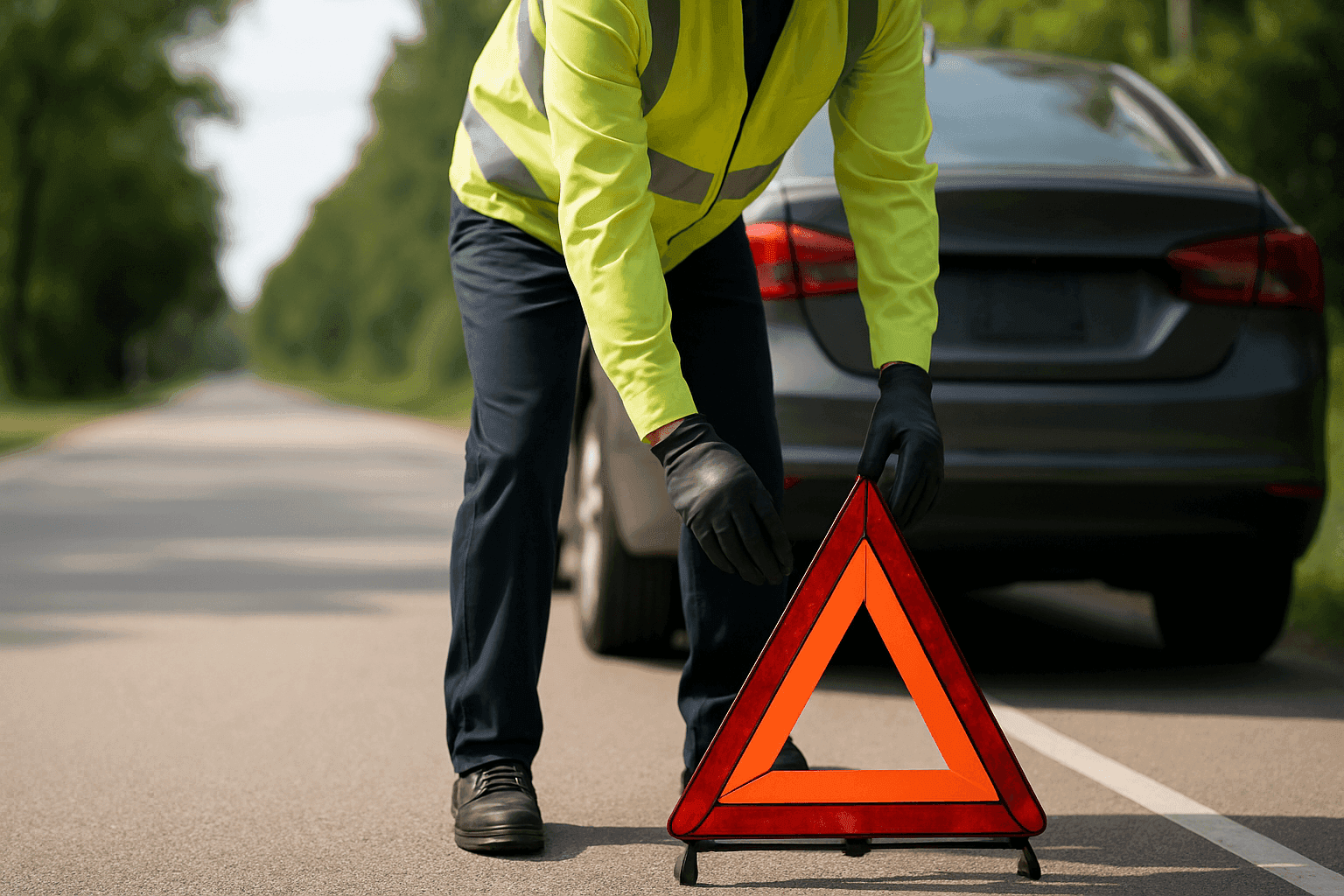
- Use Warning Devices: Set out triangles or flares at least 50–100 feet behind your vehicle. This gives other drivers more time to react, especially at night or in low visibility.
- Stay Inside If Unsafe: On highways or busy roads, it’s usually safer to stay in your vehicle with seatbelts fastened. Only exit if it’s safe and necessary—like a fire or smoke.
- Move Passengers to Safety: If you must exit, guide everyone away from traffic, ideally behind a barrier.
Stuck in an unfamiliar area? Trust your instincts—never accept help from strangers if your gut says no. Instead, wait for professional towing_services. For more on roadside safety, the National Highway Traffic Safety Administration (NHTSA) offers clear, updated guidelines.
Communication with Dispatch
Clear communication can be the difference between a short wait and a long night. When you call Rival Towing or another provider, keep these tips in mind:
- Give Precise Location: Use landmarks, mile markers, GPS coordinates, or cross streets. “Near the big blue water tower off Route 12” is better than “somewhere on Route 12.”
- Describe Your Vehicle: Color, make, model, and license plate help us find you quickly—especially in crowded areas.
- Explain the Situation: Flat tire? Dead battery? Stuck in a ditch? The more details, the better. It helps us send the right equipment—whether that’s a flatbed, winch, or jump start kit.
- Share Special Circumstances: Pets, children, medical needs, or commercial cargo? Let us know so we can prioritize your safety and comfort.
- Ask for ETA and Next Steps: Get an estimated time of arrival and instructions on what to do while you wait.
Remember, friendly dispatchers want to help. The clearer you are, the faster we can respond.
What to Gather: Insurance, Documentation, and Essentials
While you wait, gather these items to speed up the process and protect your interests:
- Driver’s License & Registration: You’ll need these for identification and any necessary paperwork.
- Proof of Insurance: Essential for insurance claims and accident documentation assistance.
- Photos of the Scene: Take wide and close-up pictures from different angles, especially if there’s an accident. Document damage, license plates, road conditions, and any involved vehicles.
- Personal Belongings: Grab valuables, wallets, phones, and anything you’ll need if your vehicle is towed to a storage facility.
- Fleet or Commercial Documents: For business vehicles, have fleet ID numbers, manifests, or delivery paperwork handy.
- Emergency Kit: If accessible, keep a flashlight, reflective vest, water, and first-aid kit nearby.
Taking these steps isn’t just about speeding up paperwork—it’s about protecting yourself from headaches later, especially with insurance claims or accident documentation.
Seasonal and Emergency Tips (Storms, Low Visibility, Extreme Conditions) ❄️
Roadside emergencies don’t follow the weather forecast. Rain, snow, fog, or scorching heat—each brings its own risks. Here’s how to adapt your waiting strategy for different seasons and emergencies:
In Storms or Heavy Rain
- Pull as far off the road as possible.
- Keep windows cracked for ventilation but stay buckled up.
- If water is rising, abandon the vehicle immediately—move to higher ground.
In Snow or Ice
- Stay with your vehicle unless shelter is within sight and safe to reach.
- Run the engine for warmth only if the exhaust pipe is clear of snow—carbon monoxide kills silently.
- Use blankets, extra clothing, and stay dry.
In Low Visibility (Fog, Night, Dust)
- Use hazard lights and reflectors.
- Avoid wandering from your vehicle; you’re easier to find in or near it.
- Listen for approaching traffic before exiting.
In Extreme Heat
- Stay hydrated.
- Use sunshades or blankets to block direct sunlight.
- Never leave children, pets, or vulnerable persons alone in the vehicle.
For commercial drivers, review the Federal Motor Carrier Safety Administration (FMCSA) emergency procedures for additional compliance requirements.
Residential vs. Commercial: Unique Considerations
Waiting for towing_services looks a little different depending on your situation:
Residential Drivers
- Prioritize personal safety and comfort.
- If stranded near home, call a friend or family member for backup.
- Know your rights—private property towing rules vary by state.
Commercial Drivers & Fleet Managers
- Secure cargo and record the chain of custody.
- Notify your dispatcher, supervisor, or fleet manager immediately.
- Document downtime for insurance or regulatory reporting.
- For hazardous materials, follow your company’s emergency protocols and local regulations.
Whether you’re a parent with groceries melting in the trunk or a logistics manager with a delivery on the line, preparation is your best ally.
Staying Calm and Secure
Stress is a natural reaction, but keeping your cool makes everything smoother. Focus on what you can control:
- Breathe deeply. Focus on each step, not the whole problem.
- Avoid confrontations with other drivers or property owners.
- If you feel unsafe, call 911 immediately and remain on the line.
Citing Industry Standards and Legal Considerations
Every step here is based on longstanding safety protocols. We follow the National Safety Council (NSC), NHTSA, and FMCSA best practices for roadside emergencies and towing_services. Always follow local laws about hazard signaling, documentation, and accident reporting.
Final Thoughts: Minimize Risk and Smooth the Towing Process
A little preparation goes a long way. By acting quickly, communicating clearly, and gathering essentials, you keep yourself and others safe, speed up the towing process, and protect your interests—no matter the scenario.
Call Rival Towing now — or reach us anytime at 844-484-6840 .