Preventing Common Roadside Breakdowns: Expert Tips for Every Season
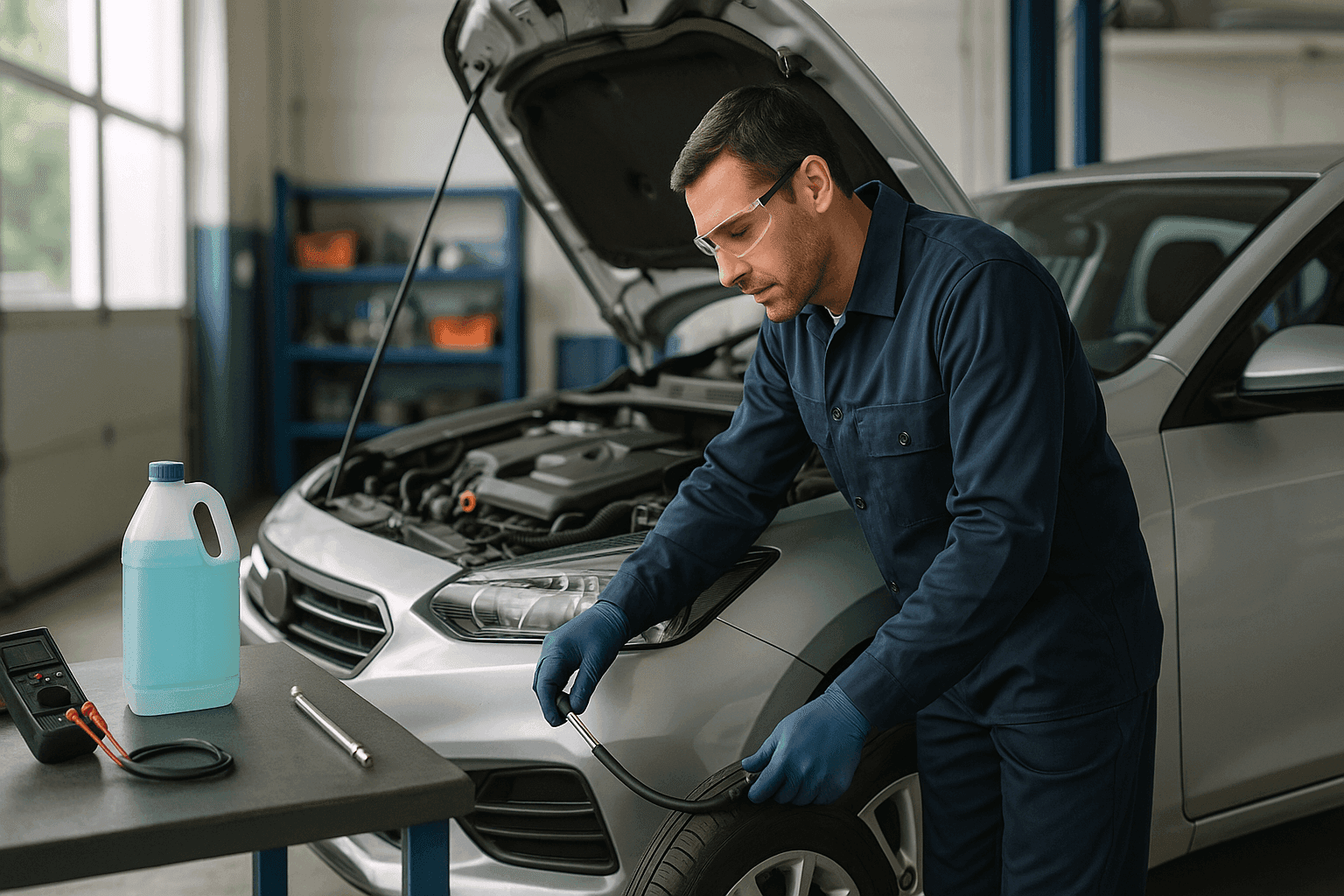
Getting stranded on the side of the road is never part of anyone’s plan. Whether you’re driving your family sedan or managing a full fleet, a sudden breakdown turns a good day upside down fast. At Rival Towing, we see firsthand how a little preventive care can keep both personal and commercial vehicles rolling smoothly—no matter the season.
Let’s dig into the most common causes of breakdowns and arm you with easy, actionable steps. Because the best way to avoid calling for towing_services is to keep trouble from starting in the first place.
Top Causes of Breakdowns
Flat tires. Dead batteries. Overheating engines. It’s the usual suspects that catch drivers off guard time and time again. According to AAA and the National Highway Traffic Safety Administration (NHTSA), the majority of roadside calls come down to these basics:
- Battery failure: Batteries don’t last forever. Extreme temperatures—hot or cold—can reduce their lifespan.
- Tire issues: Underinflation, worn tread, or old rubber set you up for trouble.
- Engine overheating: Coolant leaks or worn-out hoses turn a summer drive into a steamy mess.
- Starter and alternator problems: Your vehicle’s “power grid” is like a chain—one weak link and you’re stuck.
- Lockouts: Not catastrophic, but still a top reason drivers need help.
These are like dominoes; once one falls, the rest can follow quickly. A flat tire might be the start, but ignoring it can lead to rim damage or even loss of control.
Preventive Maintenance by Season 🛠️
Think of vehicle care like dressing for the weather—different seasons, different needs. Here’s how to stay ahead, one season at a time.
Spring
- Check battery terminals for corrosion and secure connections.
- Inspect tires for winter damage and rotate if needed.
- Top off fluids: windshield washer, coolant, oil.
- Check wiper blades—winter can be tough on rubber.
Summer
- Monitor coolant levels and inspect for leaks.
- Test your AC before the first heatwave.
- Check tire pressure frequently—hot pavement speeds up air loss.
- Clean battery terminals—heat accelerates corrosion.
Fall
- Inspect brakes—wet, leaf-strewn roads demand sharp stopping.
- Check heater and defroster for cold mornings ahead.
- Examine belts and hoses for cracks or frays.
- Switch to winter wiper blades if you’re in a snowy area.
Winter
- Test battery—cold can zap its strength.
- Keep tires properly inflated—cold air shrinks pressure.
- Carry emergency supplies: blanket, flashlight, ice scraper.
- Use winter-grade oil if recommended by your manufacturer.
For fleet vehicles: Schedule regular checks, keep maintenance logs, and train drivers to spot early warning signs.
Reference: AAA, NHTSA guidelines, and manufacturer owner’s manuals.
When to Seek Professional Help
DIY can only take you so far. If you notice these signs, it’s time to call in trained towing_services or mechanics:
- Dashboard warning lights (check engine, battery, oil pressure)
- Unusual noises (grinding, squealing, knocking)
- Persistent fluid leaks under your vehicle
- Repeated jump starts needed for your battery
- Steering feels loose or you sense vibrations
If it feels off, it probably is. Better to check than to guess.
Tips for Personal and Fleet Vehicles
Whether you’re a solo driver or overseeing a team, these strategies keep everyone safer and reduce downtime:
- Have a maintenance schedule and stick to it—set reminders in your phone or use a fleet management app.
- Keep emergency contact info (like “Vehicle Transport near you” or trusted towing_services) handy in every glove box.
- Train drivers on basic checks—oil, tire pressure, coolant levels.
- Inspect after every long trip—catching small issues early saves cash and headaches.
Practical Safety Checklist
Before any journey, especially during harsh weather or busy travel seasons, run through this quick checklist:
- Tires: Check pressure and tread depth.
- Battery: Test voltage if possible.
- Fluids: Oil, coolant, brake, transmission, windshield washer.
- Lights: Headlights, brake lights, turn signals.
- Wipers: Blades clear and working.
- Emergency kit: Jumper cables, tire inflator, first aid, flashlight.
A five-minute walkaround can save you hours waiting on the shoulder.
When It’s Time to Call Rival Towing
Sometimes, even the best prep isn’t enough. If you’re stranded in a dangerous location, smell fuel, see smoke, or your vehicle won’t restart, call for help immediately. Rival Towing offers 24/7 towing_services, accident recovery, and roadside support for everything from motorcycles to RVs and commercial fleets.
Real-World Costs & Time Factors
Breakdowns cost more than money—they cost time and peace of mind. Here’s what to expect:
- Simple fixes: Jump starts or tire changes can take 30–60 minutes.
- Towing: Depending on your location and vehicle type, expect a range of 45 minutes to a couple of hours for recovery and transport.
- Repairs: Battery replacements or minor fixes may be handled roadside, but engine or transmission problems likely need a shop.
Routine preventive care is always cheaper and faster than a roadside rescue.
FAQ: Common Questions
Q: How often should I check my battery?
A: Test your battery every six months, and before the start of winter or summer (AAA).
Q: Are tires more likely to fail in summer or winter?
A: Both. Hot roads increase blowout risk, while cold weather lowers pressure and can cause hidden damage.
Q: What should I do if my car overheats?
A: Pull over safely, turn off the engine, wait for it to cool, and call for assistance. Never open a hot radiator.
Q: Can I use water instead of coolant in an emergency?
A: Only as a last resort. Use proper coolant as soon as possible to avoid engine damage (NHTSA).
Local and Seasonal Considerations 🌦️
Your region changes the game. In northern climates, salt eats away at undercarriages—rinse often. In hot, dry areas, carry extra water and keep an eye on hoses and belts for cracking. During holiday travel, expect more vehicles on the road and longer wait times for towing_services, so prep early and pack essentials.
For commercial and fleet vehicles, set up pre-trip inspections—especially before long hauls or during high-demand seasons.
Final Thoughts
Roadside breakdowns are rarely just bad luck. With a little planning and the right routine, you can steer clear of the most common pitfalls. Rival Towing is always here if you need us for Vehicle Transport near you, but we’d rather see you stay safe and on the road.
Call Rival Towing now — or reach us anytime at 844-484-6840 .