Fleet Towing Services: What Commercial Managers Need to Know
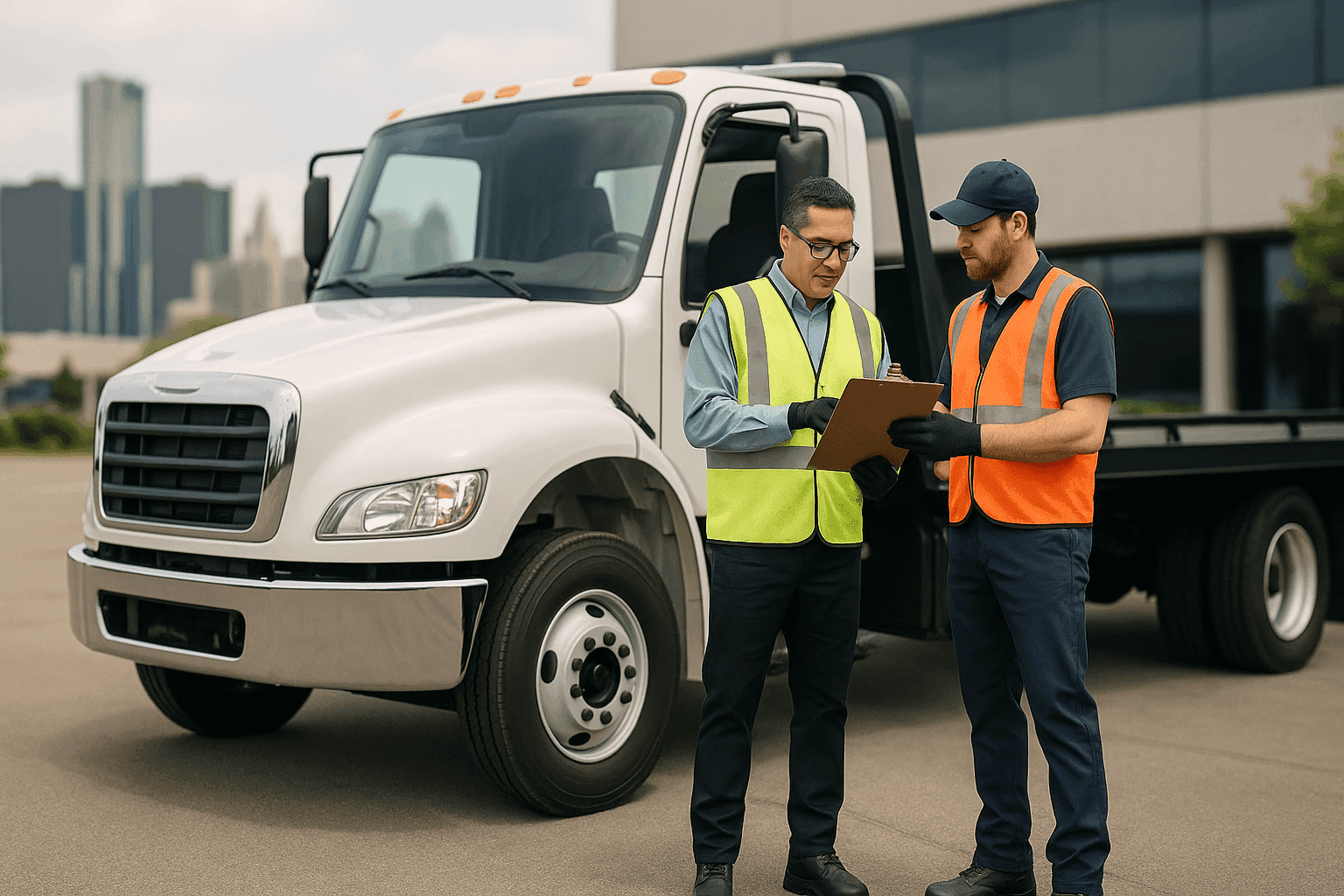
Keeping a commercial fleet running isn’t just about dispatching vehicles. It’s about safeguarding your business’s reputation, keeping costs predictable, and minimizing downtime. Every minute a vehicle is sidelined, you feel it—in schedules, in budgets, and in customer satisfaction.
At Rival Towing, we know that managing a fleet is like running a relay race. Every handoff matters. When breakdowns, accidents, or emergencies strike, the way you respond shapes everything that follows. Having the right towing_services partner isn’t just smart—it’s essential.
Assessing Your Fleet’s Needs 🚚
Before you sign a contract or call for help, take a hard look at your fleet. Different vehicles, different demands—and different risks.
- Vehicle Types: Heavy-duty trucks, light delivery vans, specialty vehicles, motorcycles, trailers, and even boats all require tailored towing solutions.
- Routes & Geography: Are your vehicles mostly in urban traffic? Highways? Off-road or rural areas? Towing needs change with the landscape.
- Operating Hours: Is your fleet 24/7? Peak hours? Nights and weekends require rapid, round-the-clock support.
- Cargo Sensitivity: Transporting perishables, hazardous goods, or high-value equipment? Downtime isn’t just inconvenient—it can be costly or risky.
Tip: Map out the most common scenarios. Flat tires on highway runs. Lockouts in loading docks. Accident recovery on busy routes. Knowing your pain points makes it easier to build protocols that work.
Regulatory Requirements
Commercial towing isn’t the Wild West. Compliance with local, state, and federal regulations—such as DOT and OSHA guidelines—is non-negotiable. Your towing_services partner should be well-versed in the documentation and safety standards that keep your business protected.
Choosing a Fleet Towing Partner
Picking a towing company isn’t about who’s closest. It’s about reliability, experience, and the ability to handle your specific needs. Look for these qualities:
- Service Breadth: Can they handle everything from light-duty towing to heavy equipment transport?
- Response Times: Do they offer true rapid response, especially during critical hours?
- 24/7 Availability: Emergencies rarely clock out at 5 p.m.
- Fleet Capacity: Can they support multiple vehicles at once in a major incident?
- Clear Communication: Are updates prompt? Is dispatch easy to reach?
- Professionalism & Training: Operators should be certified and trained in accident scene safety, hazardous materials, and proper load handling.
Ask for references. Talk to other commercial managers. Find out how a company performs under pressure, not just on paper.
Trust-Building Details
A reputable provider should have clear insurance, background-checked staff, and a track record of working with business fleets. Look for transparency in pricing and reporting, and make sure documentation flows smoothly for insurance claims.
Service Contracts and SLAs
A handshake isn’t enough when your assets are on the line. Service contracts and Service Level Agreements (SLAs) are the foundation of a professional relationship.
- Defined Response Times: Specify maximum response windows for different types of incidents.
- Scope of Services: Outline which towing_services are included—flatbed towing, accident recovery, winching, lockouts, etc.
- Reporting & Documentation: Require detailed incident reports and accident documentation assistance for every call.
- Cost Structure: Understand hourly rates, mileage, after-hours premiums, and storage fees.
- Compliance Assurance: Confirm certifications, licensing, and adherence to safety protocols.
Pro Tip: Build in periodic reviews. Assess response times, service quality, and incident outcomes so you can adjust as your business grows.
Emergency Protocols
When a call for help comes in, seconds count. The best towing_services partners work with you to create clear, actionable protocols for emergencies.
- Single Point of Contact: Establish who on your team is authorized to call for towing or roadside assistance.
- Incident Escalation: Know when to escalate from simple jump starts to accident recovery or heavy-duty towing.
- Accident Management: Response teams should be trained in traffic control, scene safety, and accident documentation. This keeps your drivers—and your business—protected.
- Communication Flow: Ensure real-time updates on ETA, incident status, and vehicle recovery.
Remember: A well-drilled protocol is like a fire drill. It saves time, reduces stress, and limits financial losses.
Cost Control: Keeping Budgets in Check
Towing emergencies can feel like a money pit—but they don’t have to be. Smart fleet managers control costs with:
- Volume Pricing: Negotiate rates based on call frequency.
- Bundled Services: Combine towing, roadside assistance, and vehicle storage for better rates.
- Transparent Billing: Insist on itemized invoices and digital reporting.
- Downtime Tracking: Monitor how fast vehicles are recovered and returned to service.
Watch for hidden fees. Storage, after-hours, or specialty towing can add up quickly. A clear contract eliminates surprises.
Accident Management & Documentation
When an accident happens, your towing partner becomes your frontline defense. Proper documentation protects you during insurance claims, DOT investigations, and potential liability issues.
- Accident Scene Management: Professional towing operators secure the scene, direct traffic, and work in tandem with first responders.
- Photo & Written Reports: Require digital photos, timestamped logs, and a summary of actions taken.
- Insurance Claims Assistance: A good provider helps you navigate paperwork, reducing delays and disputes.
Reference: The National Safety Council and the Federal Motor Carrier Safety Administration (FMCSA) both stress the importance of accurate, timely accident documentation for commercial fleets.
Keeping Vehicles on the Road: Tips for Commercial Managers
- Routine Inspections: Minimize breakdowns with regular maintenance.
- Driver Training: Teach basic troubleshooting—jump starts, tire changes—so minor issues don’t become major delays.
- Emergency Kits: Equip every vehicle with essential supplies.
- Preferred Vendor Lists: Make sure drivers know who to call for towing_services or roadside help.
Data is your friend. Track incidents, response times, and costs to find patterns—and opportunities to improve.
Rapid Response: Why Speed Matters
A vehicle stranded on the shoulder isn’t just a delay. It’s a risk. Every minute counts for:
- Driver Safety: Quick response keeps your people out of harm’s way.
- Cargo Protection: Perishables, sensitive materials, and high-value goods depend on fast action.
- Business Continuity: Downtime ripples through schedules, deliveries, and customer commitments.
Tip: Set expectations with your towing partner. Regular drills and scenario planning pay off when the real thing happens.
Frequently Asked Questions
How fast can commercial towing_services respond?
Response times depend on location, time of day, and incident type. With a strong SLA, most reputable partners average 30-60 minutes for urgent calls. Build in clear expectations during contract negotiations.
What documentation is needed after an accident?
At minimum, require digital photos, incident reports, and a summary of towing actions. This protects your business during insurance claims and regulatory reviews.
Can towing_services handle specialty vehicles or hazardous cargo?
Yes, but not all providers are equipped for specialty jobs. Confirm capabilities—including certifications for hazardous materials—before you need them.
How do I control costs over time?
Review invoices quarterly, track incident frequency, and renegotiate rates as your fleet changes. Bundling services and tracking downtime can reveal savings.
Local & Seasonal Considerations
Weather, traffic, and local regulations all impact towing_services. Winter storms? More accidents and longer wait times. Urban areas? Higher congestion, but more tow trucks available. Update your protocols seasonally and stay informed on regional safety guidelines from the National Highway Traffic Safety Administration (NHTSA).
Final Thoughts: Protecting Your Fleet, Preserving Your Reputation
Fleet towing isn’t just about moving metal from point A to point B. It’s about protecting your people, your assets, and your bottom line. The right partner helps you manage risk, control costs, and deliver on your promises—every mile, every day.
Call Rival Towing now — or reach us anytime at 844-484-6840 .