Flatbed vs. Wheel-Lift Towing: Pros, Cons, and Best Uses
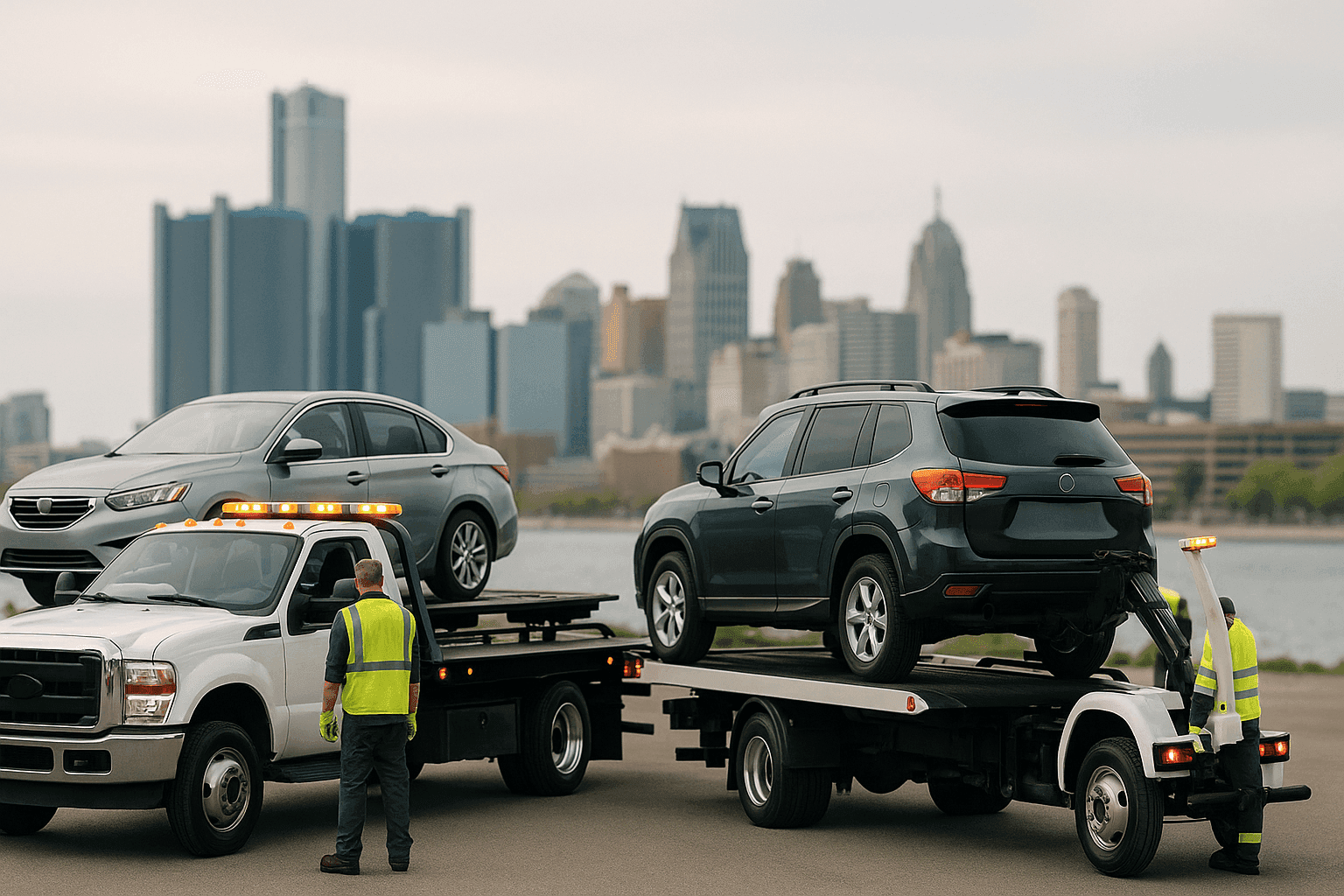
Every vehicle owner dreads the moment their ride needs a tow. Whether it’s a classic car, a family SUV, or a commercial van, the way your vehicle is moved matters—a lot. At Rival Towing, we get how stressful it can feel to trust someone else with your investment.
Two towing_services methods stand out: flatbed and wheel-lift towing. Both have their place, but choosing wrong can turn a bad day into a disaster. Let’s break down the real-world pros, cons, and best uses—so you can make the call that keeps your vehicle safe.
Method Overview: Flatbed vs. Wheel-Lift Towing 🚚
Flatbed towing is just what it sounds like. Your car, truck, or motorcycle sits entirely on a long, flat platform. No wheels touch the road. The vehicle is loaded using hydraulics, then strapped down securely.
Wheel-lift towing, on the other hand, lifts two wheels (front or rear) off the ground using a metal yoke. The other two wheels roll along the road. It’s faster to set up and often used for short hauls or tight parking situations.
Flatbed Towing At a Glance:
- All wheels off the ground
- Hydraulic lift and platform
- Best for all-wheel drives, low-clearance, luxury, and specialty vehicles
Wheel-Lift Towing At a Glance:
- Two wheels off the ground, two on the road
- Quick hookup, maneuverable in tight spaces
- Works well for standard cars with accessible tow points
Damage Prevention: Protecting Your Investment
Imagine your car is a fine pair of dress shoes. Would you drag one along the sidewalk? Of course not. The same logic applies here.
Flatbed towing keeps your vehicle’s entire undercarriage off the pavement. There’s no risk of transmission or tire wear, especially crucial for all-wheel-drive or low-clearance cars. That’s why the AAA and National Highway Traffic Safety Administration (NHTSA) often recommend flatbeds for specialty or high-value vehicles.
Wheel-lift towing can be safe, but only for the right vehicles. If your car is front-wheel drive and accessible, wheel-lift works. But for AWD, 4x4s, or cars with low spoilers, there’s a risk of undercarriage damage or wear to the drivetrain. For motorcycles, wheel-lift isn’t advised—flatbeds or specialty racks are far safer.
Common Damage Risks:
- Drivetrain strain (AWD/FWD/RWD mismatches)
- Bumper, spoiler, or undercarriage scraping
- Tire and transmission wear on long distances
Cost Considerations: What Affects the Price Tag? 💰
Let’s talk numbers—without the sticker shock. Flatbed towing usually costs more than wheel-lift. Why? It takes more time, specialized equipment, and labor. The upside is peace of mind, especially for valuable or fragile vehicles.
Factors Impacting Price:
- Vehicle size and weight
- Distance towed (local vs. long-distance)
- Urgency (daytime, after-hours, holidays)
- Equipment needed (flatbed, wheel-lift, specialty gear)
If you’re just a few blocks from home and have an older sedan, wheel-lift may be the more economical choice. But for anything rare, pricey, or delicate, flatbed is worth the investment.
Special Situations: Accidents, Off-Road, and Specialty Vehicles
Not every tow is a flat stretch of highway. Sometimes, things get messy. Let’s see how each method stacks up in tough scenarios.
Accident Recovery
After a collision, vehicles are often immobile or badly damaged. Flatbed towing shines here—it can load even heavily damaged or non-rolling vehicles without further harm. Emergency responders and insurance adjusters often prefer flatbeds for accident scene management and documentation.
Off-Road Recovery
Stuck in a ditch? Muddy field? Flatbed trucks with winching services can pull vehicles free and load them safely. Wheel-lift trucks can help, but only if the vehicle is already on solid ground and can roll.
Specialty Vehicles
From motorcycles and boats to RVs and low-clearance sports cars, flatbed towing is the gold standard. It keeps odd shapes and sensitive parts away from road hazards. For heavy-duty commercial or fleet towing, flatbeds and specialty rigs are required by many insurance policies and manufacturer guidelines.
Industry Standards & Real-World Scenarios
According to guidelines from the Towing and Recovery Association of America (TRAA), the safest towing method is the one that fits your vehicle’s design and condition. If you’re moving a vintage collectible, flatbed is the only way to go. For breakdowns in tight parking garages, a nimble wheel-lift truck might be the hero.
Remember: Some vehicles (especially AWD and electric) have strict towing instructions in their owner’s manuals. Skipping these can void warranties or cause expensive damage. Always ask your tow provider if they follow OEM and safety protocols.
Practical Tips for Choosing the Right Towing Method
- Know your vehicle: Is it AWD, RWD, or FWD? Check the owner’s manual for towing recommendations.
- Think about distance: For longer hauls, flatbed is safer.
- Consider the situation: Accident? Off-road? Specialty vehicle? Lean toward flatbed.
- Ask questions: Does your tow provider have the right equipment and training?
- Document everything: Take photos before the tow, especially after an accident.
Frequently Asked Questions
Do I need a flatbed for my all-wheel-drive vehicle?
Most of the time, yes. All-wheel-drive vehicles can suffer transmission and drivetrain damage if towed with wheels on the ground. Flatbed is safest.
Is wheel-lift towing safe for my sedan?
If your sedan is front-wheel drive and undamaged, wheel-lift is generally safe for short distances. Always check your owner’s manual.
Can motorcycles be wheel-lifted?
No—motorcycles require flatbeds or specialized racks to avoid tipping or damage.
Why does flatbed towing cost more?
Flatbed towing involves more equipment, setup time, and labor. It adds protection, especially for high-value vehicles.
Local and Seasonal Considerations 🕑
Winter brings icy roads and more accident recoveries. Flatbeds handle snow, ice, and mud better than wheel-lift trucks, especially for off-road recoveries. In urban areas with tight parking, wheel-lift trucks can maneuver where flatbeds can’t.
For long-distance vehicle transport near you, always clarify the route and expected road conditions with your towing_services provider.
The Bottom Line
Choosing between flatbed and wheel-lift towing isn’t just about price. It’s about protecting your vehicle, following safety codes, and making a smart, informed decision. At Rival Towing, our team is trained to match the right method to your vehicle—every time.
Call Rival Towing now — or reach us anytime at 844-484-6840 .