Accident Recovery & Documentation: Steps Every Driver Should Know
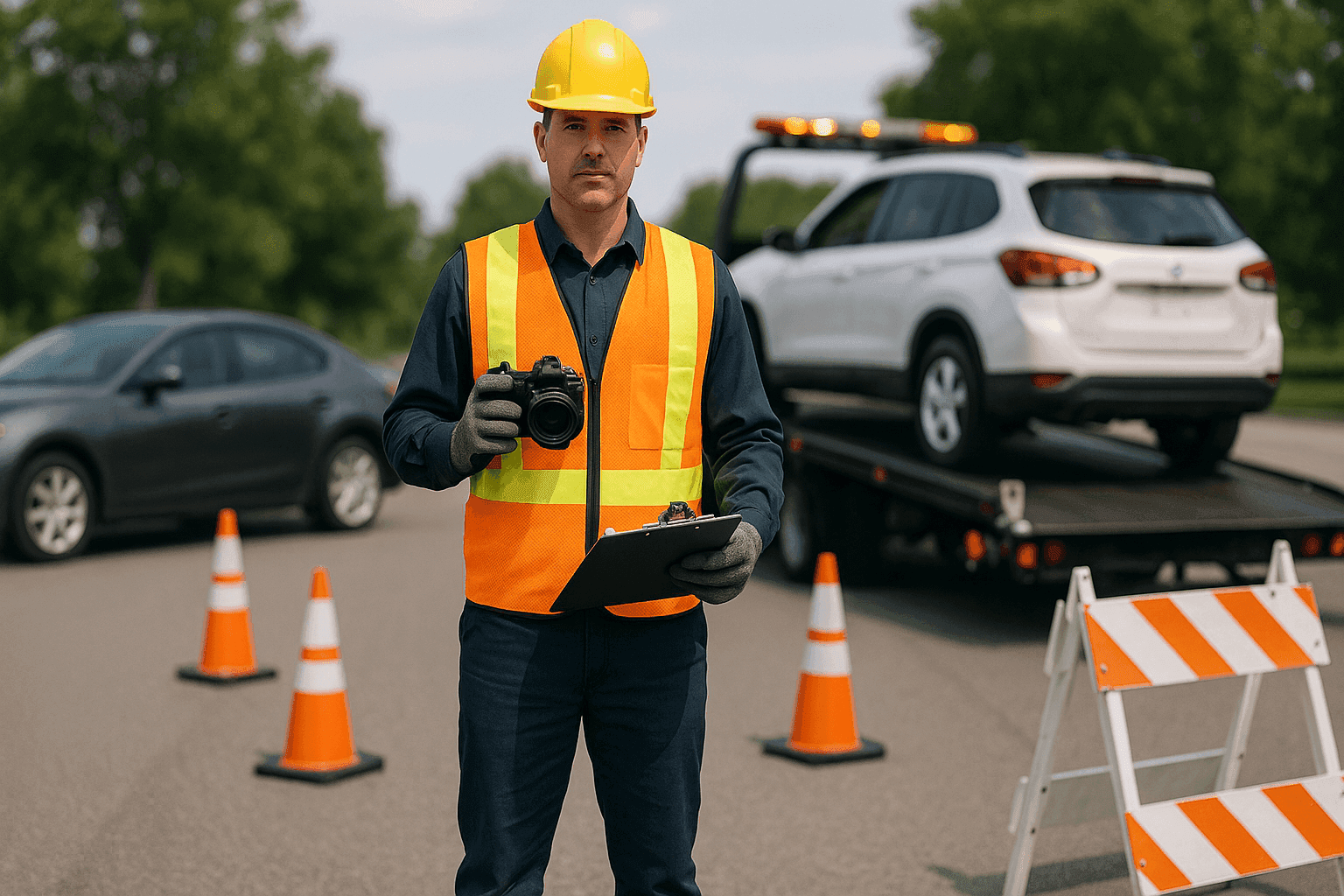
Getting into an accident sends your heart racing and your mind spinning. Whether you drive a family car, a company truck, or manage a fleet, the moments after a crash are a blur — but what you do next matters.
At Rival Towing, we know how overwhelming roadside emergencies can be. That’s why we’ve built this step-by-step guide: to help drivers, business owners, and fleet managers handle accident recovery and documentation with confidence, clarity, and care.
Immediate Safety: Your First Priority 🚦
Accidents happen fast. Acting quickly and calmly can protect everyone involved.
Move to a Safe Area
- If it’s safe and the vehicle can be moved, pull out of traffic.
- Turn on hazard lights.
- Set up cones or warning triangles if you have them — especially important for commercial vehicles or trailers.
Check for Injuries
- Check yourself and passengers first.
- Then check others involved.
- Call emergency services (911) if anyone is hurt or if you’re blocking traffic.
Stay Visible, Stay Calm
- Keep your reflective vest handy if you have one.
- At night or in bad weather, extra caution is essential.
- Don’t leave the scene unless your safety demands it.
Gathering Documentation: Building Your Case
Accident scenes are messy, but documentation is your best defense — for both legal and insurance reasons.
What to Capture
- Photos: Snap wide shots of the entire scene, close-ups of damage, license plates, and any skid marks or debris.
- Details: Write down time, date, location, and weather conditions.
- People: Get names, contact info, and insurance details for everyone involved (including witnesses).
- Police Report: Ask for the responding officer’s name and badge number. Get a copy or a report number.
- Your Account: Jot down what you remember while it’s fresh.
Tip: The National Highway Traffic Safety Administration (NHTSA) recommends collecting as many details as possible to avoid disputes later.
Coordinating Recovery: From Towing to Cleanup
This is where towing_services like Rival Towing step in. Whether you’re moving a sedan, a heavy-duty truck, or a specialty vehicle, safe recovery is crucial.
Decide What You Need
- Vehicle Transport near you: For all types, including motorcycles, RVs, or commercial vehicles.
- Winching & Recovery: For vehicles off-road or in difficult spots.
- Flatbed Towing: For severe damage or specialty vehicles.
- Traffic Control & Scene Management: Especially for larger accidents or commercial incidents.
- Accident Scene Cleanup: Removing debris keeps roads safe.
Communicate Clearly
- Tell dispatchers your exact location (GPS coordinates help).
- Describe your vehicle and any hazards.
- Mention special circumstances — spilled fuel, cargo, or blocked lanes.
What Rival Towing Brings
- Trained recovery professionals.
- Secure equipment for vehicle transport and storage.
- Coordination with law enforcement and emergency crews.
- Assistance with documentation and insurance paperwork if needed.
Insurance and Claims Tips: Protecting Your Interests 📝
Dealing with insurance can feel like untangling a fishing line. But the right steps make all the difference.
Notify Your Insurer Promptly
- Report the accident as soon as possible.
- Provide all the photos, witness info, and police details you collected.
Don’t Admit Fault
- Stick to the facts.
- Let law enforcement and insurers determine responsibility.
Save Every Receipt
- Towing, repairs, storage — keep all documentation.
- These support your claim and may be reimbursed.
Reference: The Insurance Information Institute recommends reporting losses promptly and maintaining a detailed accident file.
For Commercial Fleets
- Follow your company’s internal reporting procedures.
- Keep driver logs and maintenance records handy.
- Work closely with your fleet manager and insurance adjuster.
Quick Safety Checklist: What To Do After an Accident
- Move to safety if possible
- Call emergency services if needed
- Secure the scene (hazards, cones, lights)
- Gather documentation (photos, witness info, police report)
- Contact professional towing_services
- Notify your insurer
- Collect all receipts and paperwork
DIY vs. Call a Pro: Knowing Your Limits
Sometimes, a simple tire change or jump start is all you need. Other times, the job is too big, too risky, or too complicated.
- DIY: Minor accidents, no major road hazards, you’re confident in your skills.
- Call Rival Towing: Major collisions, injuries, blocked roads, commercial vehicles, or if you’re unsure.
Remember: Trying to move a badly damaged vehicle yourself is like playing tug-of-war with a bear. It’s not worth the risk.
What Pros Do On Arrival
When Rival Towing arrives, here’s what you can expect:
- Secure the scene for everyone’s safety.
- Assess vehicle damage and road hazards.
- Provide proper towing or recovery equipment.
- Coordinate with police and emergency responders.
- Assist with documentation and accident scene management.
- Offer vehicle storage, impound, or long-distance transport if needed.
Prevention & Maintenance: Avoiding the Next Accident
No one plans for a crash. But regular checks and safe driving habits can lower your risk.
- Inspect brakes, tires, and lights regularly.
- Keep an emergency kit (reflective vest, cones, first aid, phone charger).
- For fleets: Schedule preventive maintenance and driver safety training.
- For all drivers: Stay alert, especially in poor weather or at night.
Costs & Time Factors: What to Expect
Accident recovery costs depend on:
- Vehicle type (light-duty, medium, heavy)
- Location and accessibility (urban, highway, off-road)
- Type of service needed (winching, towing, cleanup)
- Distance to repair shop or storage facility
Timing varies too. Busy highways and complex scenes may take longer for clearance and documentation.
Tip: The Federal Motor Carrier Safety Administration (FMCSA) offers guidance on post-accident procedures for commercial vehicles.
When It’s an Emergency 🚨
If you’re blocking traffic, carrying hazardous cargo, or facing fire or fuel leaks:
- Call 911 first.
- Alert authorities to special hazards (fuel, chemicals, cargo).
- Let dispatch know it’s an emergency.
- Stay a safe distance from the vehicle until help arrives.
FAQ: Common Accident Recovery Questions
Q: Can I choose my own towing_services after an accident?
A: Yes. You have the right to select your towing provider. Let authorities and insurers know your preference.
Q: What if my vehicle is impounded or stored?
A: Ask where it will be taken and how to retrieve it. Collect all paperwork for your insurance claim.
Q: Do I need a police report for every accident?
A: Most insurers require one for major accidents. Minor incidents may not, but it’s wise to get documentation whenever possible.
Q: How do I handle accidents in company vehicles?
A: Follow both legal requirements and your employer’s procedures. Record all details and notify your fleet manager immediately.
Local & Seasonal Considerations
- In winter, ice and snow make accident recovery more hazardous — and more common.
- In busy urban areas, traffic control is essential for safety.
- For off-road or rural incidents, specialized equipment may be needed.
Wherever you are, Rival Towing is ready with vehicle transport near you, 24/7.
When the unexpected happens, you don’t have to face it alone. Rival Towing stands by, ready to help you recover quickly, document thoroughly, and get back on the road with confidence.
Call Rival Towing now — or reach us anytime at 844-484-6840 .